Zero F.I.R. in India: How to Report Crimes Without Boundary Limits
Adv. Prerana Raosaheb Shinde
2/14/20262 min read
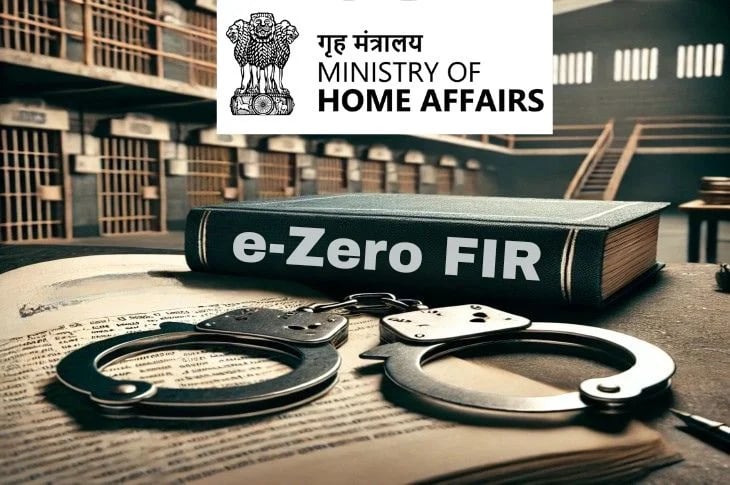
The Power of ‘Zero’: Why You Can File an F.I.R. at Any Police Station in India -
Imagine being a victim of a crime in a strange city, only to be told by the nearest police station that they "cannot help" because the incident happened three streets outside their boundary. This is a common hurdle, but legally, it is a myth.
Under India’s updated legal framework—the Bharatiya Nagarik Suraksha Sanhita (BNSS), 2023—the concept of the Zero F.I.R. ensures that geographical boundaries never stand in the way of justice.
What Exactly is a Zero F.I.R.?
A Zero F.I.R. is a special type of First Information Report that ignores territorial limits. While a standard F.I.R. is tied to the station covering the crime scene, a Zero F.I.R. allows you to initiate the legal process at any station most accessible to you.
It is called "Zero" because the receiving station doesn't give it a permanent serial number. Instead, they record the details under '0' and immediately forward the case to the relevant station for investigation.
Your Filing Checklist: What to Prepare
To make your complaint airtight and professional, include these specific details:
Identity Verification: Your full name, current address, and an ID like Aadhaar or a Passport.
The "When & Where": The precise time and location of the event. If you aren't sure of the exact address, use landmarks.
Fact-Based Narrative: Describe the incident clearly. Avoid emotional guesswork; focus on what you physically witnessed.
The 'Who': Mention names of the accused if known. If they are strangers, describe their physical appearance, height, or any unique identifiers like tattoos or vehicle numbers.
Evidence Inventory: List any digital evidence (videos/photos) or witnesses who were present.
How to Lodge a Zero F.I.R.: A Step-by-Step Guide
Step 1: Approach the nearest police station. Do not worry if the crime happened elsewhere.
Step 2: Request to file a Zero F.I.R. under Section 173(1) of the BNSS.
Step 3: Record your statement. Note: For crimes involving women or children, a female officer must be the one to document the statement.
Step 4: Read and Confirm. Once written, the officer must read it back to you. Sign only when you are satisfied with the accuracy.
Step 5: Collect Your Copy. You have a legal right to a free copy of the F.I.R. on the spot.
What if the Police Refuse?
If an officer declines to register your complaint, they are in violation of the law. You can:
Escalate the matter by sending a written complaint to the Superintendent of Police (SP) via registered post.
Approach a Judicial Magistrate under Section 175(3) of the BNSS to request an investigation order.
Conclusion
In the "Golden Hour" after a crime, every minute counts. A Zero F.I.R. is designed to save that time, ensuring that technicalities like jurisdiction don't lead to the loss of evidence. Being aware of this right is your first step toward safety.
Disclaimer: This blog post is intended for educational and awareness purposes only. While every effort is made to ensure the accuracy of the information under the Bharatiya Nagarik Suraksha Sanhita (BNSS), 2023, it does not constitute formal legal advice. Legal procedures can vary based on specific facts and local jurisdictions. Always consult with a qualified legal professional regarding your specific situation.
Contact Information -
📍 Pune, Maharashtra, India
📞 Phone: +91 98601 29780
📧 Email: kanooncompass.in@gmail.com
Follow us on -
© 2026. All rights reserved.
Designed with professional ethics and legal compliance.
Legal Services
Civil Law
Criminal Law
RERA Matters
Real Estate Law
Consumer Protection
Cooperative Law
Municipal Law
Legal Drafting & Documentation